

Why Every North Carolina Family Needs Expert Legal Guidance for Estate Matters
A trust and estates lawyer specializes in helping individuals and families plan for the future through wills, trusts, estate administration, and probate proceedings. These attorneys handle everything from basic will drafting to complex multi-generational wealth transfers and business succession planning.
What Trust and Estates Lawyers Do:
- Draft wills, trusts, and powers of attorney
- Administer estates after death
- Represent clients in probate court
- Provide tax-efficient estate planning strategies
- Handle trust administration and fiduciary duties
- Resolve estate disputes and will challenges
When You Need One:
- Creating or updating your estate plan
- Administering a deceased loved one’s estate
- Dealing with complex family situations or blended families
- Planning for business succession
- Protecting assets from creditors or lawsuits
- Handling cross-border or multi-jurisdictional estate issues
Estate planning isn’t just for the wealthy. Even modest estates can face significant probate fees – for example, a $500,000 estate might incur over $22,000 in probate costs without proper planning.
The stakes are high when family dynamics meet legal complexities. Modern families face unique challenges that make professional guidance essential. Blended families, adult children living at home, cross-border assets, and digital property all create potential pitfalls that require specialized knowledge.
I’m Kelly K. Daughtry, and I’ve spent decades helping North Carolina families protect their legacies through comprehensive estate planning and administration services. As an experienced trust and estates lawyer at Daughtry, Woodard, Lawrence & Starling, I understand the local laws and family dynamics that make each estate unique.
Know your trust and estates lawyer terms:
Why This Guide Matters
Estate disputes are on the rise, particularly in families where adult children are living at home longer than previous generations. Proper estate planning can save substantial amounts in taxes through strategic use of trusts, charitable giving, and business succession structures. Without planning, families often face both higher costs and government-imposed distribution rules that may not reflect the deceased’s actual wishes.
Intergenerational wealth transfer has become increasingly complex with new transparency regulations, changing tax laws, and evolving family structures. What worked for previous generations may no longer be adequate for today’s families dealing with multiple marriages, business ownership, and assets spread across different jurisdictions.
What a Trusts & Estates Lawyer Actually Does
Think of a trust and estates lawyer as your family’s long-term planning partner. We help you make smart decisions about your legacy while you’re healthy and able, then ensure those wishes are carried out exactly as you intended.
The heart of our work revolves around fiduciary duties – a legal term that means we have the highest level of responsibility to act in your best interests. This extends beyond just our relationship with you to include guidance for the people you’ll eventually choose as executors and trustees.
Will drafting is where many people think our job begins and ends, but it’s actually just one piece of a much larger puzzle. Every family has unique dynamics – maybe you have a child with special needs, or you’re navigating a blended family situation where fairness doesn’t necessarily mean equal.
Trust creation opens up possibilities for protecting and managing your assets. Whether you need a simple revocable living trust to keep your affairs private or a more complex irrevocable trust for tax planning, we match the right structure to your specific goals.
When someone passes away, probate representation becomes crucial. We guide personal representatives through what can feel like an overwhelming process – from the initial court filings through final distribution to beneficiaries.
Asset protection planning has become increasingly important as families face more liability risks than ever before. We help structure your assets to shield them from potential creditors while keeping the flexibility you need during your lifetime.
Incapacity planning addresses what happens if you can’t make decisions for yourself. This includes creating durable powers of attorney and healthcare directives that give your loved ones clear authority to act on your behalf when needed.
Core Services Breakdown
Estate planning forms the foundation of everything we do. This comprehensive process starts with understanding your current financial picture and your hopes for the future. We then create a coordinated plan that might include wills, trusts, powers of attorney, and updated beneficiary designations.
Trust administration kicks in after a trust is established and assets are transferred into it. Trustees have ongoing responsibilities for investment decisions, making distributions according to the trust terms, filing tax returns, and keeping detailed records.
Probate court proceedings require specialized knowledge of local rules and procedures. Every county has its own way of doing things, and our experience with North Carolina probate courts helps us steer these differences efficiently.
Key Reasons to Hire a Trust and Estates Lawyer

Today’s families face challenges that would have seemed impossible just a generation ago. Wealth transfer isn’t just about moving money from one generation to the next – it’s about preserving family harmony while navigating complex tax laws and changing regulations.
Blended families require careful attention to ensure fairness without overcomplicating the plan. We help couples balance their desire to provide for each other with their obligations to children from previous relationships.
Business succession planning affects everyone connected to your company – not just family members. When a business owner passes away without a clear succession plan, employees worry about their jobs, customers question the company’s future, and family members may find themselves inheriting a burden rather than a blessing.
Special needs planning requires understanding both legal requirements and government benefit programs. Many families find too late that a well-intended inheritance can disqualify a disabled family member from essential benefits like Medicaid or SSI.
Cross-border assets add layers of complexity that can trip up even experienced families. Whether it’s a vacation home in another state, foreign investments, or business interests across multiple jurisdictions, each location may have different laws affecting your estate plan.
Elder abuse prevention has become an urgent concern as financial scams targeting seniors become more sophisticated. We help families establish safeguards that protect vulnerable family members while respecting their independence and dignity.
More info about estate planning services
Minimizing Taxes & Protecting Assets
Smart tax planning can save your family thousands of dollars. Multiple wills can be a powerful tool for reducing probate fees and streamlining estate administration. By creating separate wills for different types of assets, we can direct some property through probate while allowing other assets to pass directly to beneficiaries.
The choice between revocable and irrevocable trusts often confuses families, but the decision can significantly impact both taxes and asset protection. Revocable trusts offer flexibility and help avoid probate, but they don’t provide tax benefits or protect assets from creditors. Irrevocable trusts can offer substantial tax savings and asset protection, but they require giving up control over the transferred property.
Charitable giving strategies benefit both your favorite causes and your family’s tax situation. Techniques like charitable remainder trusts allow you to provide income for yourself or family members while ultimately supporting the organizations you care about and reducing estate taxes.
Asset protection must be implemented before problems arise. Once creditor issues emerge, many protective strategies become unavailable or may be viewed as fraudulent transfers. For a useful overview of how estate and gift taxes work in the United States, see the IRS guide to Estate and Gift Taxes here.
Supporting Executors, Trustees & Beneficiaries
Being named as an executor or trustee is both an honor and a significant responsibility. Trustee guidance is essential throughout the entire administration process, from initial asset management decisions to final distributions.
We help trustees understand their fiduciary duties, make appropriate investment decisions, and handle sometimes challenging requests from beneficiaries. This ongoing support protects trustees from personal liability while ensuring beneficiaries receive proper care and communication.
Dispute resolution often begins long before anyone considers going to court. We work to resolve conflicts between family members through negotiation and mediation, preserving relationships while protecting everyone’s legitimate interests.
How to Choose the Best Trust and Estates Lawyer

Finding the right trust and estates lawyer feels a bit like choosing a family doctor – you want someone skilled, trustworthy, and easy to talk with about sensitive topics. After all, you’ll be discussing your deepest concerns about your family’s future and your most private financial details.
The complexity of estate planning means you need more than just any attorney. You need someone who lives and breathes this stuff, who stays current with changing tax laws, and who understands how family dynamics can complicate even the best-laid plans.
Board certification represents the gold standard in our field. Only attorneys who meet strict requirements for experience, education, and peer recognition can call themselves board-certified specialists.
STEP membership (Society of Trust and Estate Practitioners) shows an attorney’s commitment to staying sharp. Members must complete ongoing education and follow professional standards that keep them current with best practices.
ACTEC fellowship (American College of Trust and Estate Counsel) is peer recognition at its finest. Fellows are nominated by other ACTEC members who’ve worked alongside them and can vouch for their skill and ethics.
But credentials only tell part of the story. Client communication style matters enormously in this field. Look for an attorney who asks thoughtful questions, listens carefully to your answers, and explains things in plain English.
Fee structures should be transparent from the start. While estate planning is an investment in your family’s future, you deserve to know what you’re paying for and what additional costs might come up.
For families where English isn’t the primary language, bilingual support can make all the difference. Legal concepts are complicated enough without language barriers getting in the way.
Credentials Checklist for a Trust and Estates Lawyer
When evaluating potential attorneys, look for certified specialist designation first. This shows they’ve met specific requirements for experience, education, and testing in estate planning and probate law.
An LL.M. in Taxation indicates advanced training in tax law that’s crucial for sophisticated planning. This specialized degree means the attorney has gone beyond basic law school training to master the tax implications of different planning strategies.
Peer rankings from publications like Best Lawyers or Super Lawyers reflect what other attorneys think of their colleagues’ work. While these rankings aren’t perfect measures of quality, they do indicate professional respect.
Red Flags to Avoid When Picking a Trust and Estates Lawyer
Some warning signs should make you think twice about working with a particular attorney. Undue influence claims can arise when an attorney’s relationship with a client becomes inappropriate. Be cautious of any attorney who seems overly interested in being named as your executor or trustee.
Unanswered emails and poor communication habits are red flags you can’t ignore. Estate planning requires ongoing communication and periodic updates as your life changes.
Hidden fees or vague billing arrangements spell trouble down the road. A reputable attorney should explain their fee structure clearly before starting work.
Pressure to make immediate decisions or sign documents without adequate review time suggests an attorney who prioritizes their convenience over your needs. Good estate planning requires careful thought and consideration.
Estate Planning vs. Trust Administration vs. Probate
Think of estate planning, trust administration, and probate as three chapters in your family’s financial story. Each serves a different purpose and happens at different times, but they’re all connected in important ways.
| Aspect | Estate Planning | Trust Administration | Probate |
|---|---|---|---|
| Goals | Create comprehensive plan for asset transfer and family protection | Manage trust assets according to trust terms | Validate will and distribute estate assets |
| Timing | During lifetime while healthy | Ongoing after trust creation | After death |
| Key Documents | Wills, trusts, powers of attorney, beneficiary designations | Trust agreement, investment policies, distribution records | Will, court petitions, inventory, final accounting |
| Lawyer Role | Counselor and document drafter | Advisor to trustees | Court advocate and process guide |
| Typical Duration | 2-6 months for initial plan | Ongoing for life of trust | 6-18 months for typical estate |
Estate planning is like drawing up blueprints for your legacy. You’re making decisions about what you want to happen while you still have time to think things through carefully. Trust administration is the ongoing maintenance work – keeping everything running smoothly according to your plan. Probate is the final construction phase, where your wishes actually get carried out after you’re gone.
Understanding these differences helps families know what to expect and plan accordingly. Each phase requires different expertise from your trust and estates lawyer, and the costs vary depending on the complexity of your situation.
Estate Planning Essentials
Life insurance beneficiaries often get overlooked during estate planning, but they’re incredibly important. If your life insurance policy names your estate as beneficiary instead of specific people, that money has to go through probate – which means delays and extra costs for your family. We make sure all your beneficiary designations work together as part of your overall plan.
Durable power of attorney documents are your safety net if something happens to you. These give someone you trust the authority to handle your finances if you can’t. But here’s the thing – not all powers of attorney are created equal. Some are too broad and give away too much control, while others are too narrow and don’t provide enough authority when it’s needed.
Healthcare proxy and advance directive documents ensure your medical wishes are respected. Nobody likes thinking about being unable to make their own medical decisions, but having these documents in place brings tremendous peace of mind to families. We help you think through different scenarios and document your preferences clearly.
Should You Consider a Trust for Your Estate Plan? This resource walks through the various situations where trusts make sense. Trusts aren’t just for wealthy families – they can provide privacy, flexibility, and cost savings that benefit many North Carolina families.
Trust Administration Duties of a Trust and Estates Lawyer
Once you’ve created a trust, funding assets into it properly is crucial. This means actually transferring ownership of your assets to the trust. It’s surprising how often people go through the trouble of creating a trust but never complete this essential step. Different assets require different transfer procedures, and mistakes here can completely undermine your planning.
Fiduciary accounting might sound boring, but it’s essential for keeping trustees out of trouble. Trustees have to keep detailed records of everything they do with trust money and provide regular reports to beneficiaries. These aren’t casual summaries – they need to meet specific legal standards and show exactly how trust assets are being managed.
IRS filings for trusts can be tricky because different types of trusts have different tax requirements. Some trusts file their own tax returns, while others report income on the grantor’s personal return. Getting this wrong can result in penalties and headaches that nobody wants to deal with.
Investment management puts trustees in a challenging position. They have to make prudent investment decisions while balancing the needs of current beneficiaries against future ones. We help trustees understand their responsibilities and establish investment policies that protect them from liability while serving the trust’s purposes.
Navigating Probate with a Trust and Estates Lawyer
Court petitions start the probate process, but they have to be done exactly right according to local court rules. Each county has its own procedures and preferences, and what works in Wake County might not fly in Johnston County. Getting the paperwork wrong from the start can cause expensive delays.
Creditor claims require careful attention because not every claim against an estate is legitimate. We help personal representatives evaluate which claims are valid and which ones should be challenged. Sometimes creditors try to collect debts that aren’t actually owed, or they inflate the amounts they’re claiming.
Asset distribution is the final step, but it’s not as simple as writing checks. Different types of assets have different transfer requirements, and proper documentation is essential. Real estate needs deeds, investment accounts need specific forms, and personal property needs appropriate records.
The Pros and Cons of Probate provides a realistic look at when probate is necessary and how proper planning can minimize its costs and complications. While probate isn’t always the nightmare people imagine, good planning can make the process much smoother for your family.
Recent Legal Developments & Common Disputes

The legal landscape for estate planning continues to evolve with new legislation, court decisions, and regulatory changes. Staying current with these developments is essential for effective planning and administration.
Succession law reforms in various jurisdictions have changed fundamental rules about will validity and estate distribution. Some provinces have amended their laws so that wills are no longer automatically revoked by marriage, requiring updates to existing estate plans.
Transparency registry requirements now mandate disclosure of beneficial ownership information for many trusts and corporate structures. These new compliance obligations affect both planning strategies and ongoing administration costs.
Capacity litigation has become more sophisticated with better understanding of cognitive decline and decision-making ability. Courts are increasingly relying on medical evidence and expert testimony to evaluate capacity challenges.
Digital assets present new challenges for estate planning and administration. From social media accounts to cryptocurrency, these assets require special consideration in estate plans and may involve complex recovery procedures after death.
Hot Topics for Trust and Estates Lawyers in 2024
Capital gains changes proposed by various governments could significantly affect estate planning strategies. We monitor these developments closely and advise clients on potential impacts to their existing plans.
Bare trust reporting requirements have created compliance burdens for many families with simple trust arrangements. Recent exemptions have provided some relief, but ongoing monitoring is necessary to ensure compliance.
Marriage revocation repeal in several jurisdictions means existing wills remain valid after marriage, potentially creating unintended consequences for new spouses.
Typical Challenges & How Lawyers Resolve Them
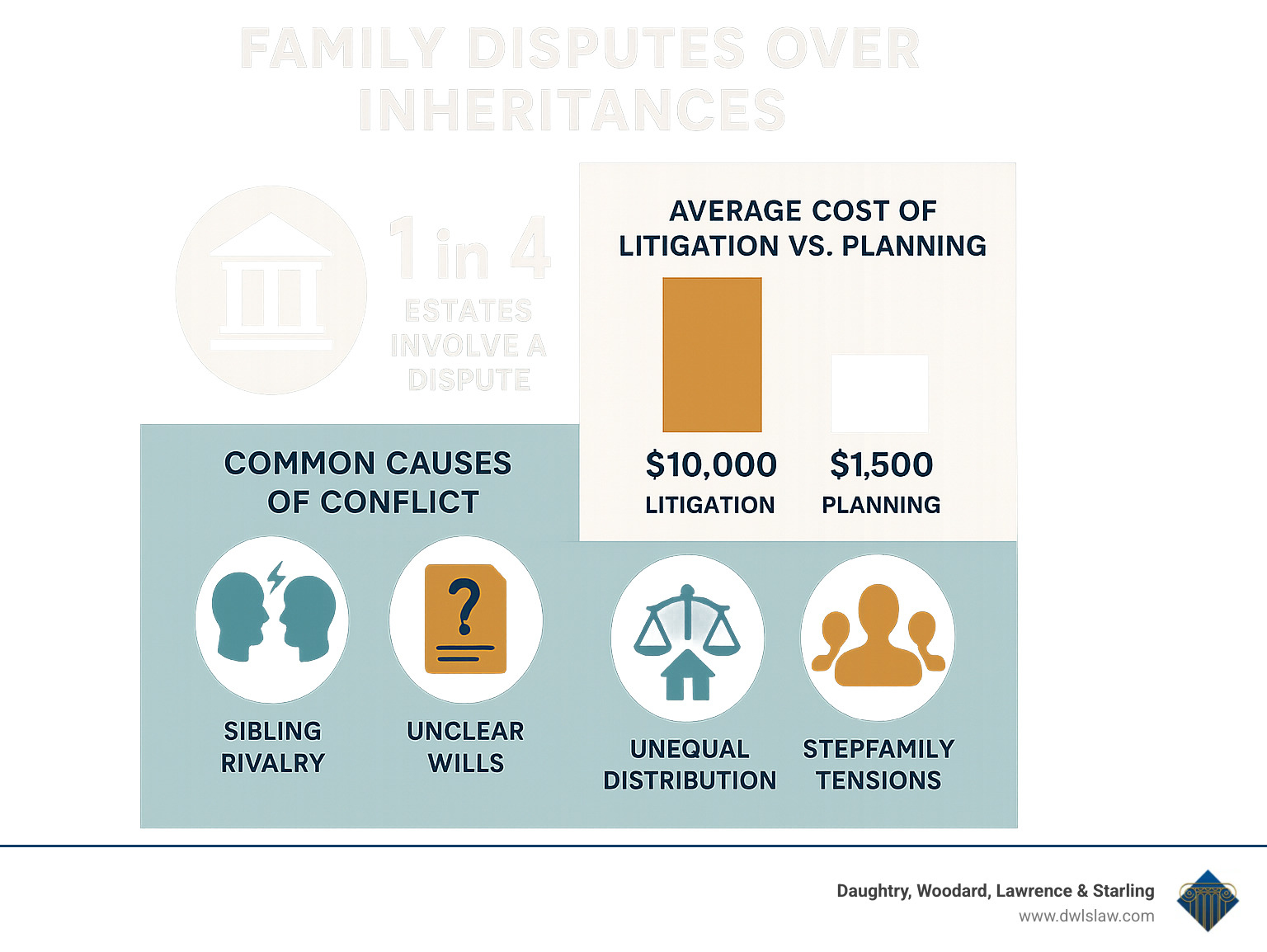
Will challenges often arise from family conflicts or questions about the testator’s capacity or the circumstances surrounding will execution. We help prevent these challenges through proper documentation and procedures during the planning process.
Undue influence claims typically involve allegations that someone improperly pressured the testator to change their estate plan. Proper safeguards during document preparation and clear documentation of the testator’s independent decision-making help prevent these disputes.
Elder financial abuse has become increasingly common and sophisticated. We help families establish monitoring systems and safeguards to protect vulnerable seniors while preserving their autonomy and dignity.
Conclusion
Planning for your family’s future doesn’t have to feel overwhelming. The right trust and estates lawyer becomes your partner in creating a legacy that truly reflects your values and protects the people you care about most.
Throughout this guide, we’ve explored the comprehensive guidance that skilled estate planning attorneys provide – from drafting your initial will to stewarding complex trust arrangements and guiding families through difficult transitions. The investment in professional planning pays dividends not just in tax savings and legal protection, but in the peace of mind that comes from knowing your wishes will be honored.
Your family’s story is unique. Whether you’re navigating blended family dynamics, planning business succession, or simply wanting to ensure your modest estate passes smoothly to your children, cookie-cutter solutions won’t serve you well. You deserve an attorney who listens to your concerns, understands your goals, and crafts a plan that fits your specific circumstances.
At Daughtry, Woodard, Lawrence & Starling, we’ve spent decades helping families throughout Smithfield, Clinton, and Sampson County protect what matters most to them. Our board-certified specialists bring both technical expertise and genuine compassion to every client relationship. We offer bilingual support because important conversations about your legacy should happen in the language where you’re most comfortable.
The legal landscape continues evolving – from new transparency requirements to changing tax laws – but you don’t have to steer these complexities alone. We stay current with developments that affect our clients and proactively update plans when circumstances change.
Your legacy deserves thoughtful planning and skilled execution. Let us help you create a comprehensive estate plan that honors your values and provides lasting security for the people you love.
More info about estate planning services
Frequently Asked Questions
What is the cost range to hire a trust and estates lawyer?
The investment in a trust and estates lawyer varies quite a bit, and honestly, that’s because every family’s situation is different. Think of it like asking “how much does a house cost?” – it depends on what you need and where you’re starting from.
For basic estate planning – a will, power of attorney, and healthcare directive – you’re looking at a manageable investment that most families can handle. If your situation involves multiple properties, a business, or complex family dynamics, the cost will naturally be higher because there’s more work involved.
Here’s what I tell my clients: the money you spend on proper planning almost always saves you much more down the road. Without planning, your family might face probate fees that could easily exceed what you’d pay for comprehensive estate planning.
Many trust and estates lawyers offer flat fees for standard services, so you know exactly what you’re paying upfront. For ongoing work like trust administration or handling an estate, hourly billing is more common since these situations can be unpredictable.
How long does the estate planning process usually take?
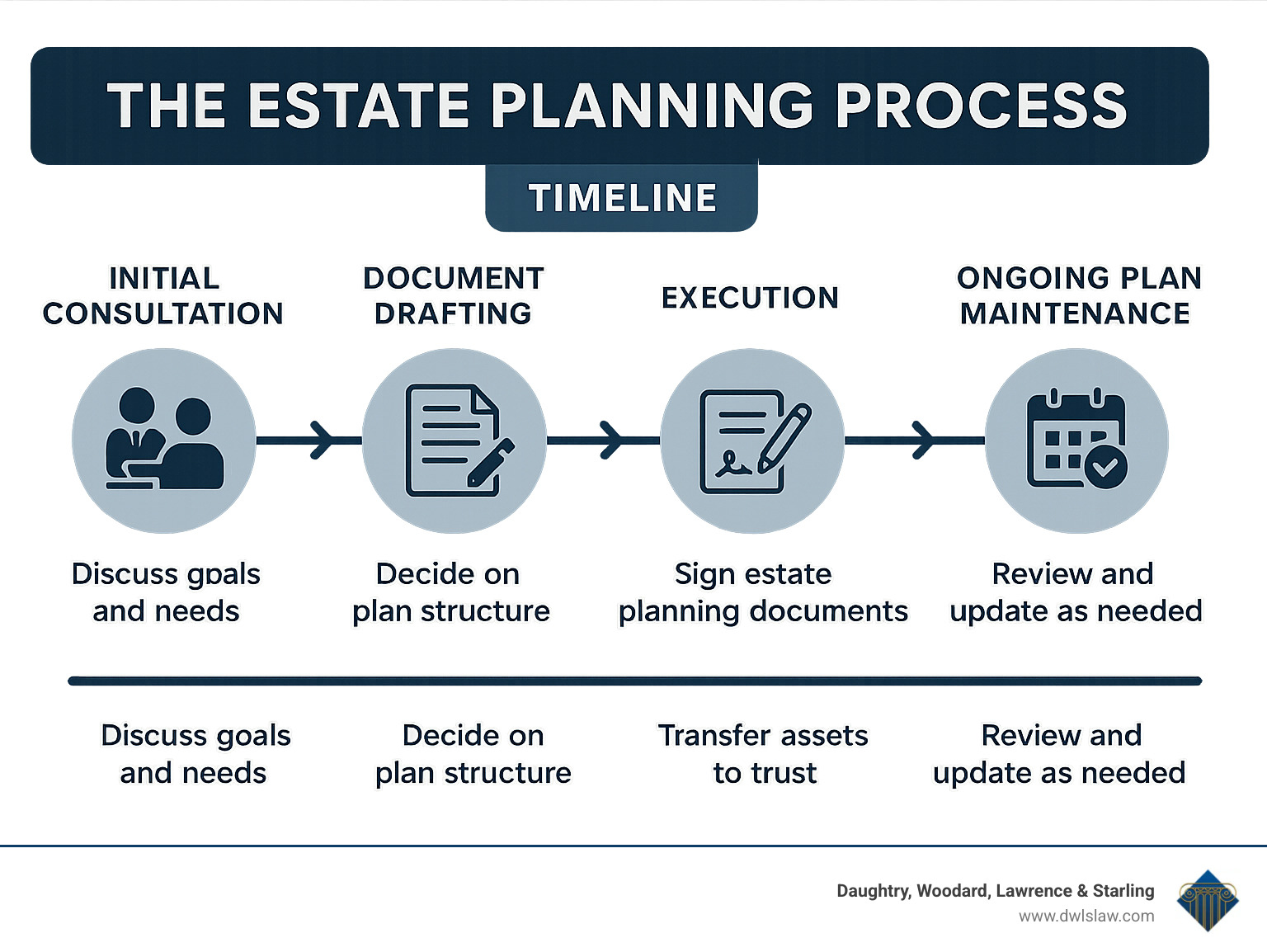
Most families are pleasantly surprised by how efficiently the estate planning process moves once they get started. For straightforward situations, we can usually have your documents ready within 2-4 weeks of our first meeting.
The timeline really depends on how quickly you can make decisions about your wishes. Some clients know exactly what they want from day one. Others need time to think through complex family situations or discuss options with their spouse or adult children.
More complex plans involving business succession planning, multiple trusts, or sophisticated tax strategies typically take 2-3 months to complete.
Here’s how the process usually unfolds: We start with a comprehensive consultation where we learn about your family, assets, and goals. Then we draft your documents and schedule a review meeting to go through everything together. After any revisions, we schedule your signing appointment.
Can one lawyer handle both U.S. and international estate issues?
This is a great question, especially here in North Carolina where we have many families with ties to other countries or assets across borders. The short answer is: it depends on the complexity of your international connections.
For simpler cross-border situations – maybe you own a vacation home in another country or have family abroad – an experienced trust and estates lawyer with international knowledge can often handle most aspects of your planning.
Complex international estate planning really benefits from a team approach. We work closely with qualified tax advisors, attorneys, and financial professionals in other jurisdictions to make sure your plan works seamlessly across borders.
At Daughtry, Woodard, Lawrence & Starling, we have experience with cross-border planning and established relationships with professionals in key jurisdictions. We can help you understand the complexities and build the right team for your specific situation.


