
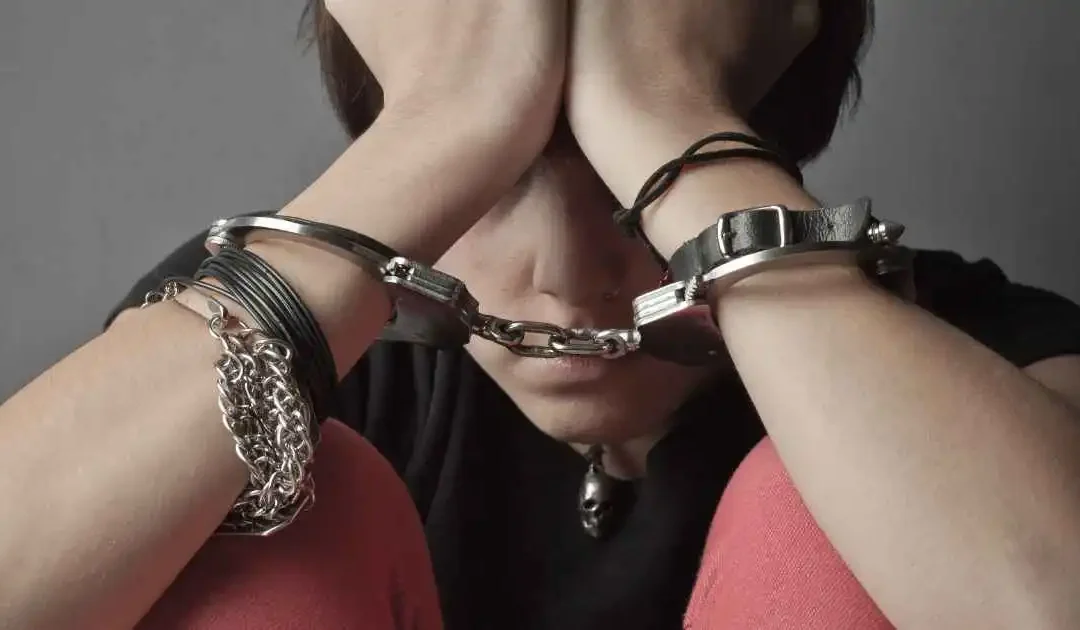
Learning that your child has been charged with a crime can be overwhelming and frightening. Many parents are unsure what juvenile charges mean, how the process works, or what impact it may have on their child’s future. Understanding the juvenile justice system in North Carolina is an important first step toward protecting your child’s rights and well-being.
Juvenile cases are handled differently from adult criminal cases, but they can still carry serious consequences if not addressed properly.
How the Juvenile Justice System Works in North Carolina
In North Carolina, juvenile court typically handles cases involving children under the age of 16. The system is designed to focus more on rehabilitation than punishment, but that does not mean charges should be taken lightly.
Juvenile proceedings are generally confidential, and the terminology differs from adult court. Instead of convictions, juveniles may be adjudicated delinquent, and instead of sentences, courts may impose dispositions such as probation, counseling, or community programs.
Common Juvenile Charges Parents Encounter
Juvenile charges can range from relatively minor offenses to serious allegations. These may include theft, drug offenses, school-related incidents, assault, vandalism, or other conduct that would be considered criminal if committed by an adult.
Even seemingly minor charges can escalate quickly or have lasting effects if not handled carefully.
The Role of Parents in Juvenile Criminal Cases
Parents play an important role throughout the juvenile court process. In many cases, parents are required to attend court hearings, participate in meetings with juvenile justice officials, and support compliance with court-ordered conditions.
It is important for parents to understand that statements made by a child, even early in the process, can affect the case. Knowing when to seek legal guidance can help avoid unintentional mistakes.
Potential Consequences of Juvenile Charges
While the juvenile system emphasizes rehabilitation, consequences can still be significant. These may include probation, mandatory counseling, school discipline, community service, or placement outside the home in more serious cases.
Some juvenile records may also affect future opportunities, particularly if issues are not properly resolved or sealed when eligible.
When Juvenile Cases Can Become More Serious
Certain circumstances can increase the severity of a juvenile case. Repeat offenses, violent allegations, or charges involving weapons or drugs may lead to stricter supervision or more restrictive outcomes.
In limited situations, older juveniles may even face proceedings that resemble adult court consequences. Early legal involvement can be critical in these cases.
Protecting Your Child’s Rights Early
One of the most important steps parents can take is ensuring their child’s rights are protected from the beginning. Juveniles have constitutional rights, including the right to remain silent and the right to legal representation.
Law enforcement and school officials may approach situations differently than parents expect. Having guidance early can help families navigate interviews, hearings, and court requirements more confidently.
How Legal Representation Helps in Juvenile Cases
Juvenile cases often involve more than just court appearances. They can include school disciplinary actions, probation requirements, and coordination with social services.
An attorney familiar with juvenile criminal defense can help parents understand the process, advocate for fair treatment, and work toward outcomes that prioritize the child’s future. If your family needs guidance, learn more about criminal defense representation and what to expect.
Frequently Asked Questions About Juvenile Criminal Charges
Will my child have a permanent criminal record?
Juvenile records are generally treated differently than adult records, but they can still have consequences. Some records may be eligible for sealing under certain conditions.
Do parents have to attend juvenile court hearings?
In many cases, parents or guardians are required to attend hearings and participate in the process.
Should my child talk to police or school officials?
Children have rights during questioning. It is often best to seek legal advice before statements are made.
Are juvenile cases handled faster than adult cases?
Juvenile cases may move on a different timeline, but delays can still occur depending on the circumstances.
Helping Your Child Move Forward
Facing juvenile criminal charges is stressful for both children and parents. Taking the situation seriously while focusing on long-term outcomes can make a meaningful difference.
For families in Johnston County, Sampson County, and across North Carolina, understanding the juvenile justice process and seeking experienced guidance can help protect a child’s rights and future while navigating an unfamiliar legal system.